
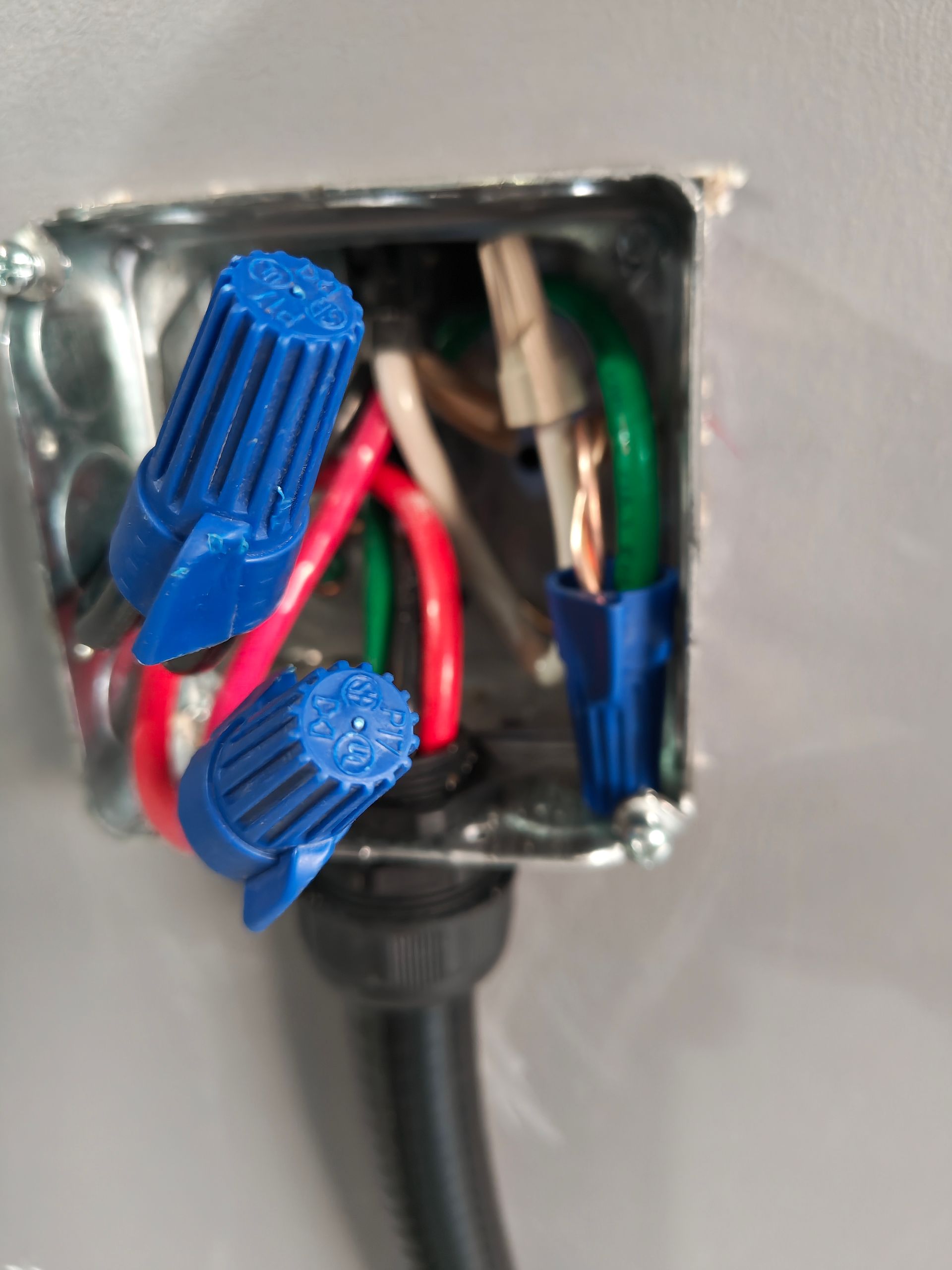
Wiring Built for a Different Era of Appliances
Rewiring Services in Rock Hill for homes with two-wire or cloth-insulated circuits that cannot support modern loads
Two-wire circuits and cloth-insulated wiring were standard in mid-century Rock Hill construction—adequate for the loads those homes were designed to carry, but not extendable to a dishwasher, a home office, or a modern kitchen layout without creating a code violation or a fire risk. Rock Hill Electrician rewires older homes and rental properties across Rock Hill and the surrounding York and Chester county areas, with a licensed master electrician performing the work to current code so the finished result passes inspection and supports the loads you are actually planning to run.
The crew maps existing circuits before any wiring is touched, identifying what can be reused, what must be abandoned in place, and what requires a completely new run to the correct gauge. Work proceeds room by room to limit the number of walls open at any one time, which reduces disruption in occupied homes. Old wiring is removed where accessible or properly abandoned where removal would require disproportionate demolition. New cable is pulled to gauge, devices and boxes are replaced, and the job is inspected before any wall is closed—so there is a code-verified record of what is behind the surface.
Arrange a walk-through of your property with Rock Hill Electrician to identify which circuits are the highest priority and what a full rewire scope would involve for your specific floor plan.
Why Old Wiring Cannot Simply Be Extended
The core limitation of two-wire circuits is the absence of a grounding conductor, which means any device or appliance that requires a three-prong connection cannot be safely served by that circuit without modification. Cloth-insulated wiring presents a different problem: the insulation degrades over decades and can crack or flake away from the conductor, leaving bare wire inside a wall cavity. Neither condition can be remedied by adding an outlet or extending the run—the underlying wiring must be replaced to make the circuit safe and up to current code requirements.
After a rewire is completed, the observable difference is that every outlet accepts a standard three-prong plug without an adapter, circuits no longer trip under normal appliance loads, and the panel directory reflects actual, verified circuit assignments rather than whatever approximations were written there previously. Rock Hill Electrician completes the inspection before walls are closed, which means the work is documented at the point when it can still be physically verified—not after drywall covers it.
Rewiring projects in homes with finished ceilings and plaster walls—common in older India Hook-area properties—typically require a more detailed access plan than newer construction with open framing. The sequence of which rooms are worked first and where cable is fished through the structure affects how much finish work is needed afterward, and that planning happens before the first wall is opened.
What Property Owners Ask About the Rewiring Process
Rewiring questions from Rock Hill homeowners tend to center on how the work is staged, what stays intact, and how to tell whether a completed rewire was done correctly. The answers below focus on the work itself.
How does an electrician decide which circuits to replace versus which to keep?
Circuits are evaluated based on wiring type, gauge, condition, and whether they can legally be extended under current code. Two-wire and cloth-insulated circuits cannot be extended to serve modern loads and are typically replaced entirely, while newer circuits in adequate condition may be retained if they are correctly sized and grounded.
What happens to the old wiring during a rewire?
Old wiring is removed where it can be accessed without excessive demolition—typically in unfinished basements, attics, and walls that are already open. Where removal would require tearing out large sections of plaster or drywall, the old wire is de-energized and abandoned in place according to code, and the new run is made alongside it.
Why does the room-by-room sequence matter in a rewiring project?
Working one room at a time limits how much of the home is disrupted simultaneously and gives the crew a clear inspection checkpoint before moving to the next area. It also makes it easier to identify when a circuit run crosses between rooms and needs to be planned in the correct sequence to avoid reopening finished work.
How do you confirm a rewiring job was done to current code?
The confirming document is the inspection sign-off from the local authority having jurisdiction—in Rock Hill, that means a county or city electrical inspection before walls are closed. A job that was never inspected has no verified record that the wire gauge, grounding, and bonding meet current standards.
What should a homeowner do to prepare before a rewiring crew arrives?
Clear access to the panel, identify any areas where you know outlets have stopped working or where the wiring is exposed, and note any rooms where specific appliances or circuits are the priority. That information helps the crew sequence the work efficiently and ensures the most critical loads are addressed first.
Rock Hill Electrician also rewires homes and rental properties in Fort Mill, Tega Cay, Lake Wylie, India Hook, and Van Wyck. To discuss your property's wiring condition and what a full or partial rewire would involve, call (803) 621-4016 and speak directly with the owner.